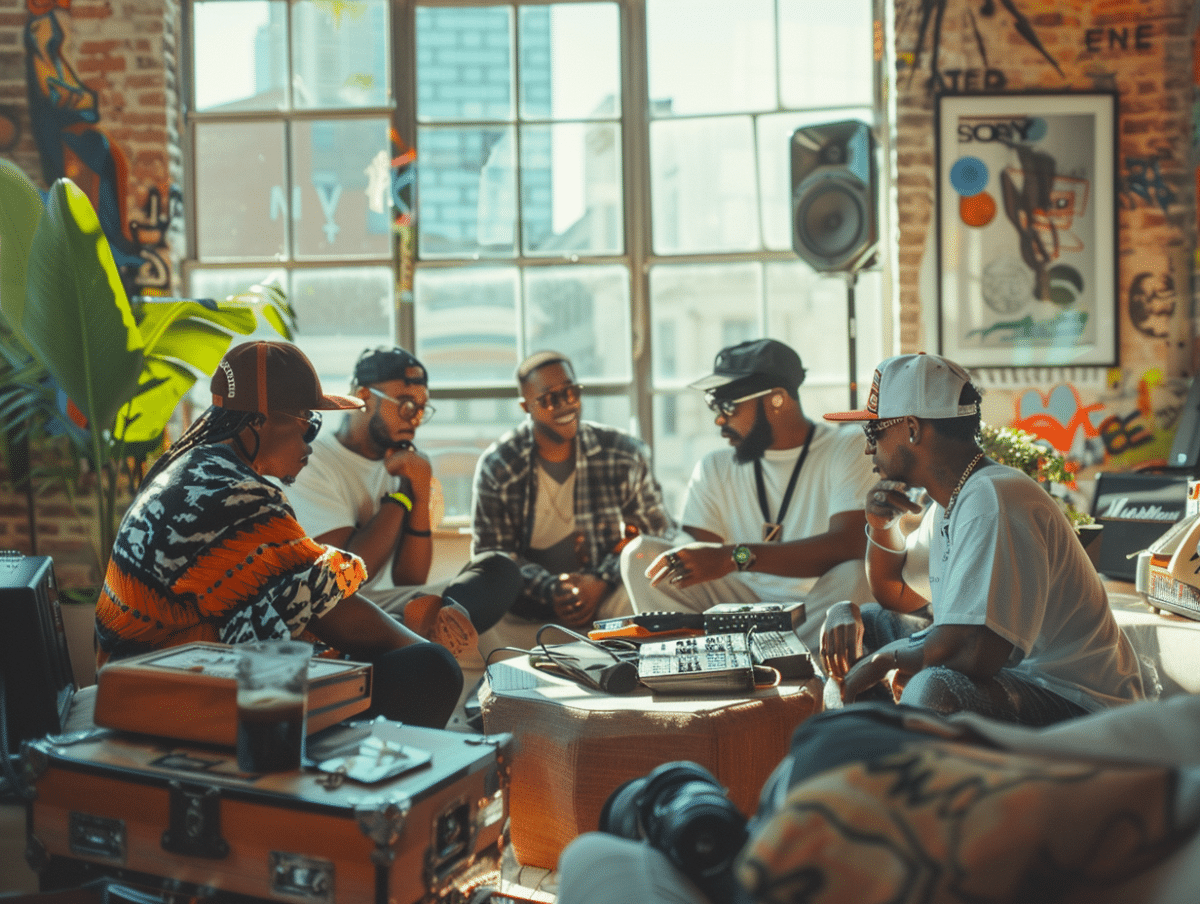
Hip-hop, since its modest beginnings in the streets of the Bronx, has seen the emergence of iconic figures whose influence far exceeds the realm of music. The question of the legitimacy of these artists as cultural spokespersons often sparks passionate debates. On one hand, some see them as visionary geniuses, modern-day poets. On the other, they are criticized for glorifying violence and excess.
Take Kanye West, for example, whose musical genius is often overshadowed by his public antics. Or Cardi B, who navigates between phenomenal commercial success and controversies over her explicit lyrics. These artists polarize public opinion, highlighting the tensions between popular success and social responsibility.
The controversies surrounding the legitimacy of hip-hop artists
Hip-hop, an archetype of cultural globalization, has shaped the contours of postcolonial culture. Young people have appropriated rhythms, sounds, attitudes, movements, and styles, thus cultivating an aesthetic form and adopting specific bodily postures. Researchers gather around this movement, constituting a genuine field of investigation.
Roger Bastide, for example, worked on acculturation and showed how cultures develop through inter-fecundation. Cultural diversity is constantly recreated, generating new cultures through encounters that play a key role in cultural production. Hip-hop has thus generated a diversity of interpretations, accompanying various movements of protest while also embodying consumerist values and conveying religious values.
Serges Gruzinski demonstrated that the relations of domination and exploitation, inherited from Spanish and Portuguese conquests, opened circuits of exchange and circulation of objects. Cuban music, for instance, has spread, leading to creative syncretism. These processes illustrate how hip-hop, as an artistic form, transcends geographical and social boundaries.
In this context, the controversies surrounding the legitimacy of hip-hop artists take on a particular dimension. For example, the Tory Lanez size debates on the violence in the lyrics of certain rappers highlight the tensions between free artistic expression and social responsibility. The consumerist values often associated with this culture sometimes blur the lines, complicating the analysis of the true impact of these artists.
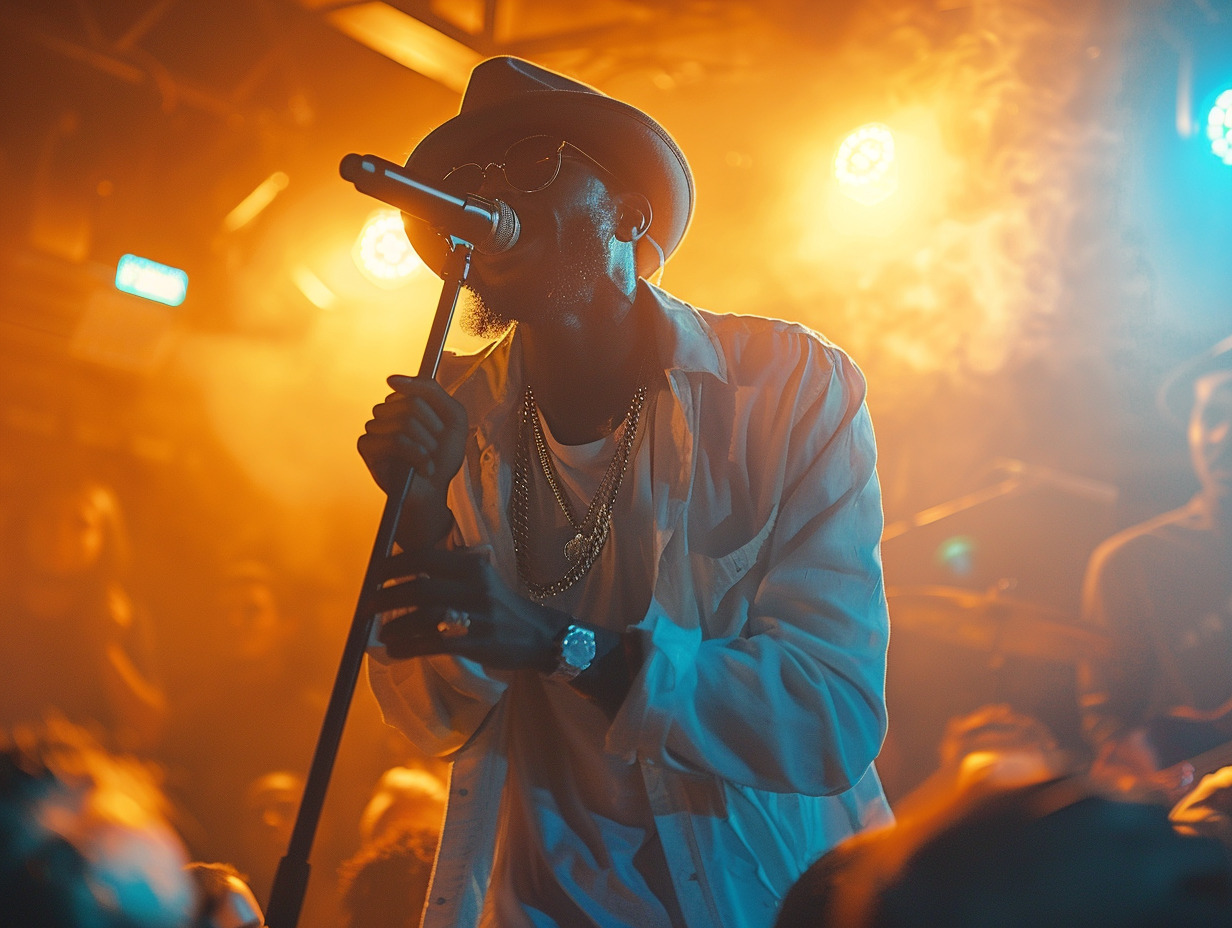
Notable examples and case analyses
Paris and the French scene
The French hip-hop scene, particularly in Paris, has always been a hub of innovation and assertion. Groups like IAM, NTM, or more recently PNL have managed to combine local influences with international sounds, creating a distinct identity for French rap. They have become iconic figures of urban culture while raising questions about artistic legitimacy and the social interpretations of their works.
Lyon and the rise of regional rap
Lyon, often in the shadow of Paris, has also seen the emergence of notable talents. Artists like Georges Lapassade and Hugues Bazin have worked on the recognition of Lyon rap, contributing to its rise. They have highlighted local specificities while fitting into a national and international dynamic.
Burkina Faso and the Balai Citoyen movement
In Burkina Faso, the Balai Citoyen movement, initiated by artists like Smockey and Sams’K Le Jah, has illustrated how hip-hop can become a tool for social change. This collective played a fundamental role during the protests against the regime of Blaise Compaoré, demonstrating hip-hop’s ability to engage in political struggles.
Cuba: syncretism and commitment
In Havana, hip-hop has taken a unique turn, blending local and international influences. Sujatha Fernandes studied how Cuban artists use music to express social claims while navigating a complex political context. This creative syncretism showcases the diversity of hip-hop interpretations around the world.
- Paris: IAM, NTM, PNL
- Lyon: Georges Lapassade, Hugues Bazin
- Burkina Faso: Smockey, Sams’K Le Jah
- Cuba: Sujatha Fernandes