When you open a Discord thread or a subreddit dedicated to fandoms in 2025, the first instinct is no longer to look for a trailer or a leak. You come across AI-generated fan art, debates about the legitimacy of these creations, and entire threads dedicated to games where almost nothing happens. Geek culture is evolving, and not always in expected ways.
Generative AI and fandoms: the creative divide in geek pop culture
On AO3, Reddit, and Discord servers dedicated to Star Wars or anime universes, tools like Midjourney and Stable Diffusion have changed the game. Anyone can produce polished fan art in just a few minutes, without mastering drawing. The volume of creations is exploding, but the reaction from communities is far from unanimous.
The divide centers on a specific point: does an AI-generated fan art have a place in a fandom that has valued effort and technical mastery for decades? Some Discord servers have already banned AI-generated images in their creation channels. Others welcome them, provided the prompt is shared and the result is manually edited.
The same tension is found in fanfiction. Some authors use ChatGPT to speed up the writing of alternative scenarios or expanded universes. Part of the community sees it as a brainstorming tool, while others view it as a betrayal of the “handmade” culture that has structured geek identity since fanzines.
Enthusiasts who want to follow these debates and discover the latest news from geek communities will find regularly updated threads on https://www.bordel-de-nerd.net/, where pop culture is discussed without filter.
Cozy video games and wholesome gaming: the trend redefining geek style
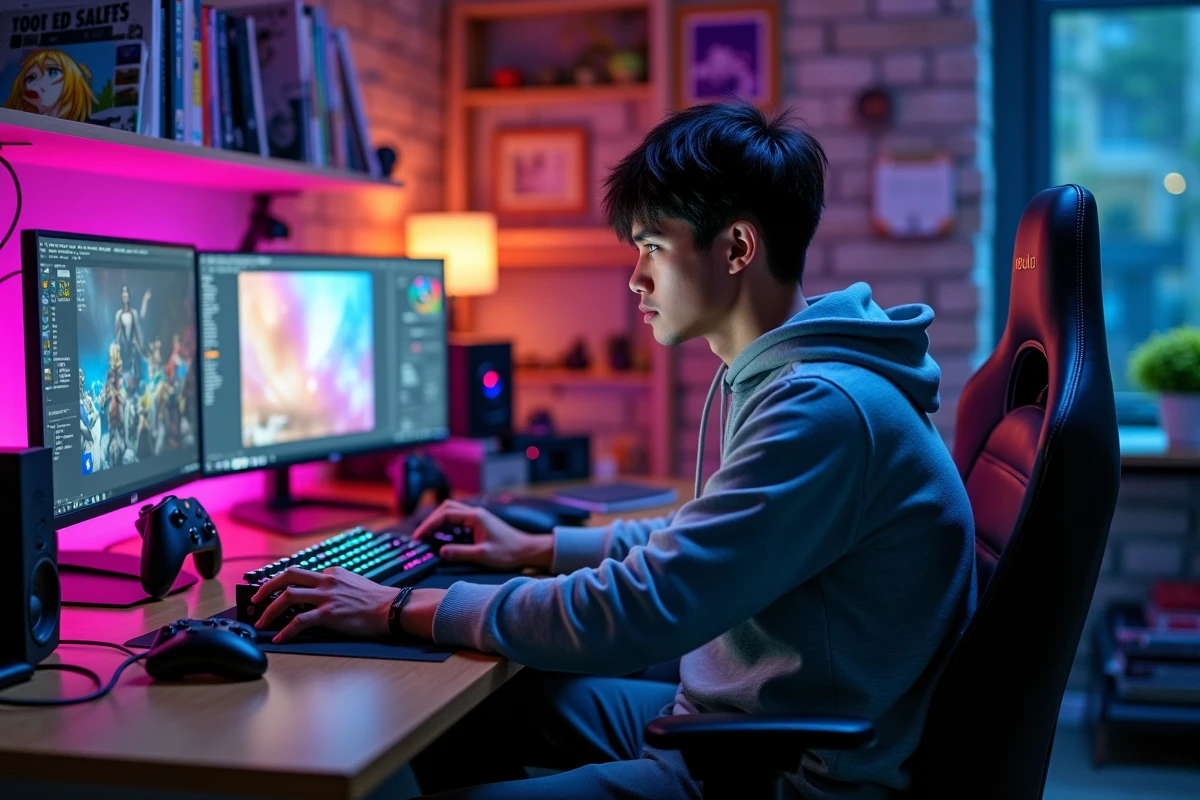
Hardcore gaming hasn’t disappeared, but it now shares space with an opposing trend. So-called “cozy” games (farming, exploration, gentle management) attract a massive audience. They are no longer niches: “comfy gaming” streams on Twitch generate audiences comparable to some esports tournaments.
Cozy gaming attracts profiles that did not define themselves as geeks five years ago. We’re talking about people who collect figurines, follow anime, and play titles like Stardew Valley or its successors, without ever touching a competitive FPS. This hybridization expands the very definition of geek culture.
What it concretely changes for communities
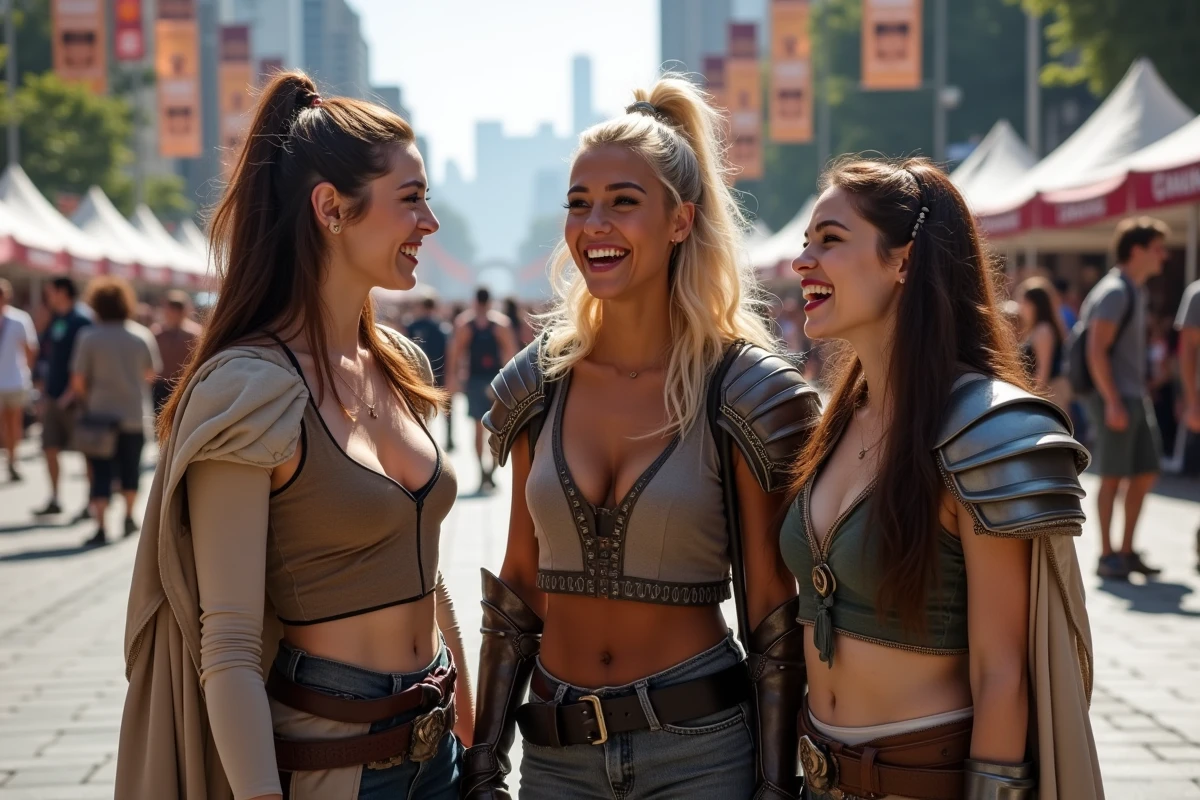
Conventions and pop culture fairs are adapting their offerings. We see dedicated spaces for wholesome fandom emerging, with workshops for customizing figurines, sessions for cooperative video games without rankings, and screenings of feel-good series. The overall tone of these events is more inclusive and less focused on performance or the rarity of collectible items.
- Cozy gaming Twitch streams focus on ambiance and chat interaction rather than skill
- Video game publishers are releasing more titles without competitive mechanics or aggressive loot
- Online communities are creating separate spaces for “chill” and “competitive,” where everything was mixed before
Figurines, TCG, and vintage collecting: the physical market resists the all-digital
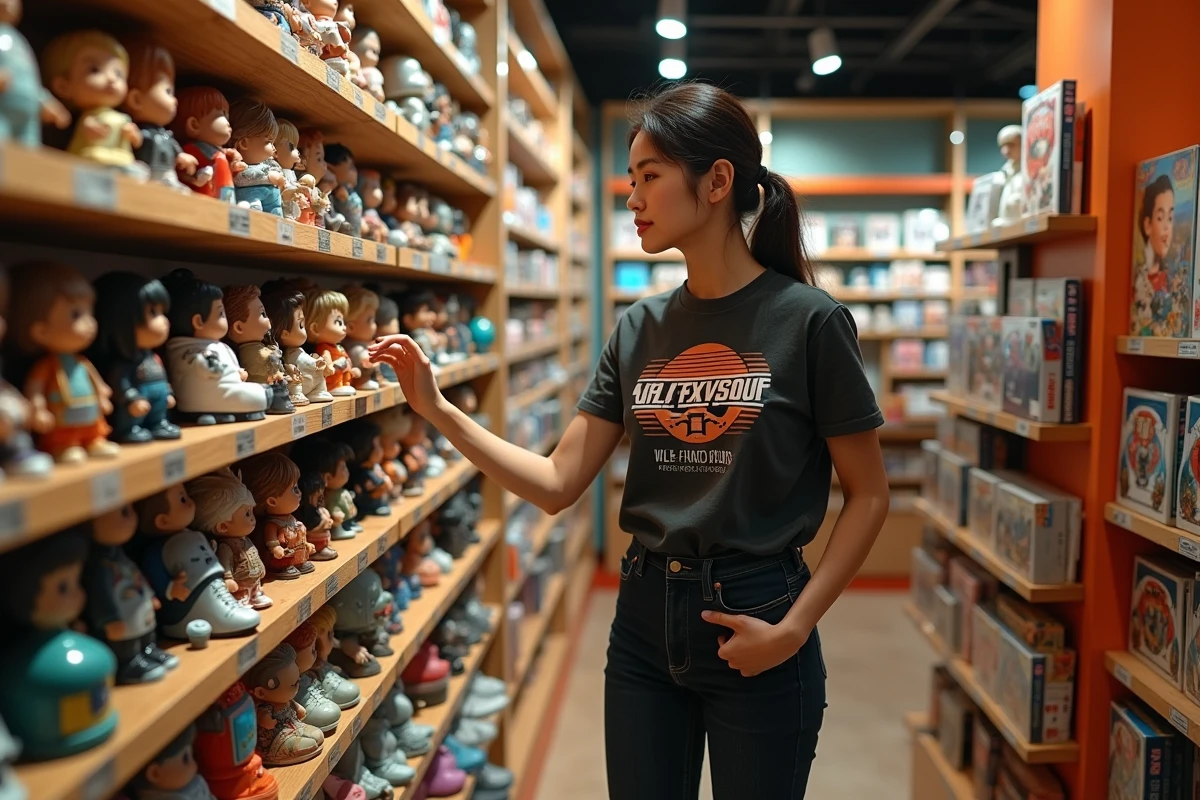
One might think that dematerialization has absorbed everything. In practice, the market for physical geek items remains very dynamic. Collector figurines, trading card games (TCG) like Magic or Pokémon, and vintage pieces continue to structure a significant part of geek culture.
The TCG is experiencing a revival driven by two factors: the nostalgia of thirty-somethings returning to their childhood cards, and the arrival of new players attracted by YouTube and Twitch content dedicated to booster openings. The price of certain rare cards has reached levels that make collecting both an investment and a hobby.
Figurines and art toys: when pop culture meets design
“Designer toys” blur the line between merchandise and art objects. Independent artists produce limited series of figurines inspired by geek universes, sold at conventions or online. The value of a piece depends as much on the artist as on the license, marking a shift from the classic model where only the character mattered.
- Handcrafted resin figurines are gaining ground against mass-produced industrial items
- The preferred distribution method remains online pre-order with announced print runs
- Collectors organize physical “meet-ups” to exchange, compare, and resell their vintage pieces
Hollywood strikes and geek pop culture: fans face the industry
The strikes by writers (WGA) and actors (SAG-AFTRA) in 2023 in Hollywood had a direct effect on fandoms. For months, the production of series and films related to geek universes (Marvel, Star Wars, video game adaptations) was frozen. Fans had to deal with disrupted release schedules and canceled projects.
This conflict also highlighted the issue of AI in pop culture content production. Unions were negotiating, among other things, guarantees against the use of AI to replace writers and actors. For enthusiasts, the topic is not abstract: it directly affects the quality and authenticity of the universes they have followed for years.
The post-strike period has accelerated a trend already visible: fans are becoming producers. Fan films, analysis podcasts, lore YouTube channels, and collaborative wikis are taking over when the industry slows down. The line between consumer and creator of pop culture is blurring, driven by accessible tools and a community that refuses to passively wait for the next blockbuster.
The geek culture of 2025 does not resemble that of ten years ago. It absorbs AI without resolving the debate, values gentleness as much as performance, and mixes rare physical objects with massive digital creation. What defines it has not changed: a capacity to transform every passion into an active community, regardless of the medium.