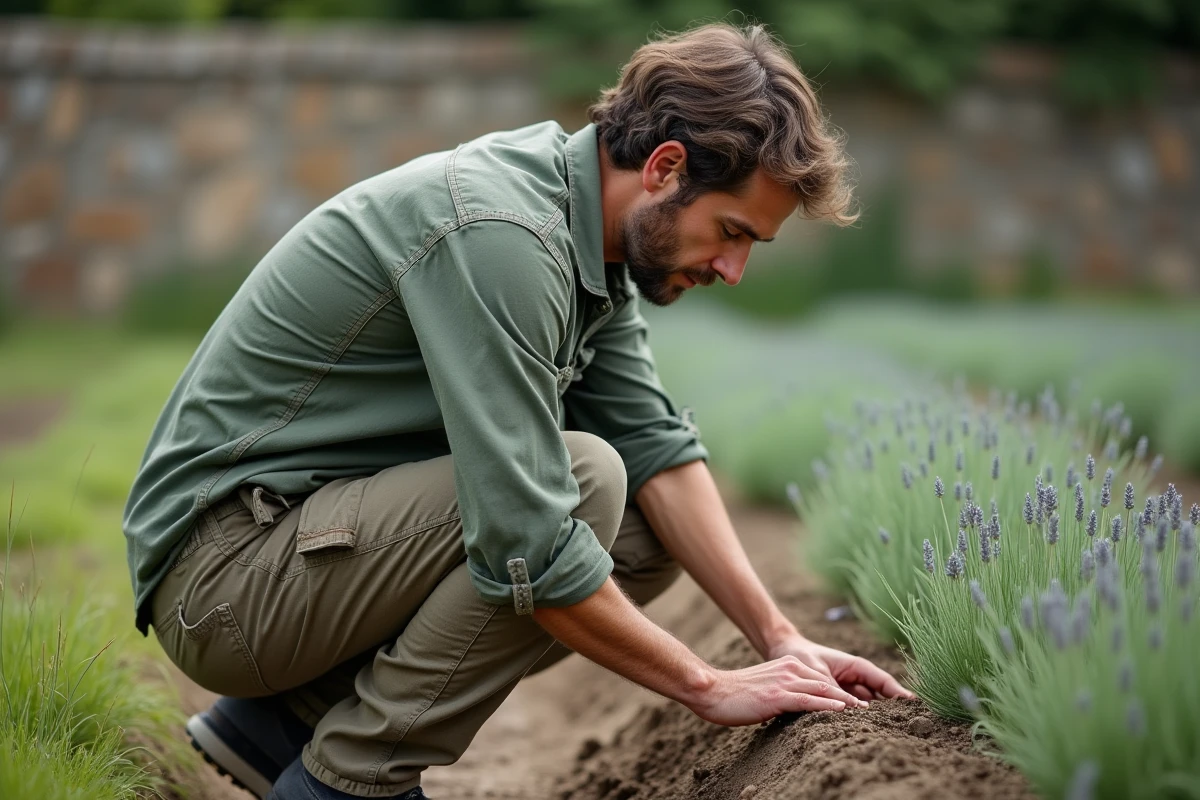
In France, the historical minimum installation area (SMI) no longer applies to producers of aromatic, medicinal, and perfumed plants since 2007. However, access to farmer status, the MSA, and public aid remains conditioned by thresholds that vary according to departments, regions, and project types. Understanding these thresholds requires distinguishing what the law states, what social organizations demand, and what funders concretely expect.
Minimum activity for affiliation: the real entry threshold to the MSA for aromatic and medicinal plants
The disappearance of the SMI has not eliminated all surface area requirements. The MSA conditions affiliation to the agricultural scheme on a minimum activity for affiliation (AMA), which is based on three alternative criteria: a minimum surface area, an annual working time, or a professional income.
For aromatic and medicinal plants, the reference surface area set by each departmental MSA is generally low compared to large crops. Depending on the departments, it can drop below one hectare when production involves processing (distillation, drying, packaging). The working time taken into account includes cultivation, harvesting, and these processing stages.
A project holder starting on a modest plot can thus be affiliated with the MSA if their working time reaches the required threshold, even without having a large surface area. This is a crucial point for anyone looking to know the minimum installation area for aromatic and medicinal plants before submitting their application.
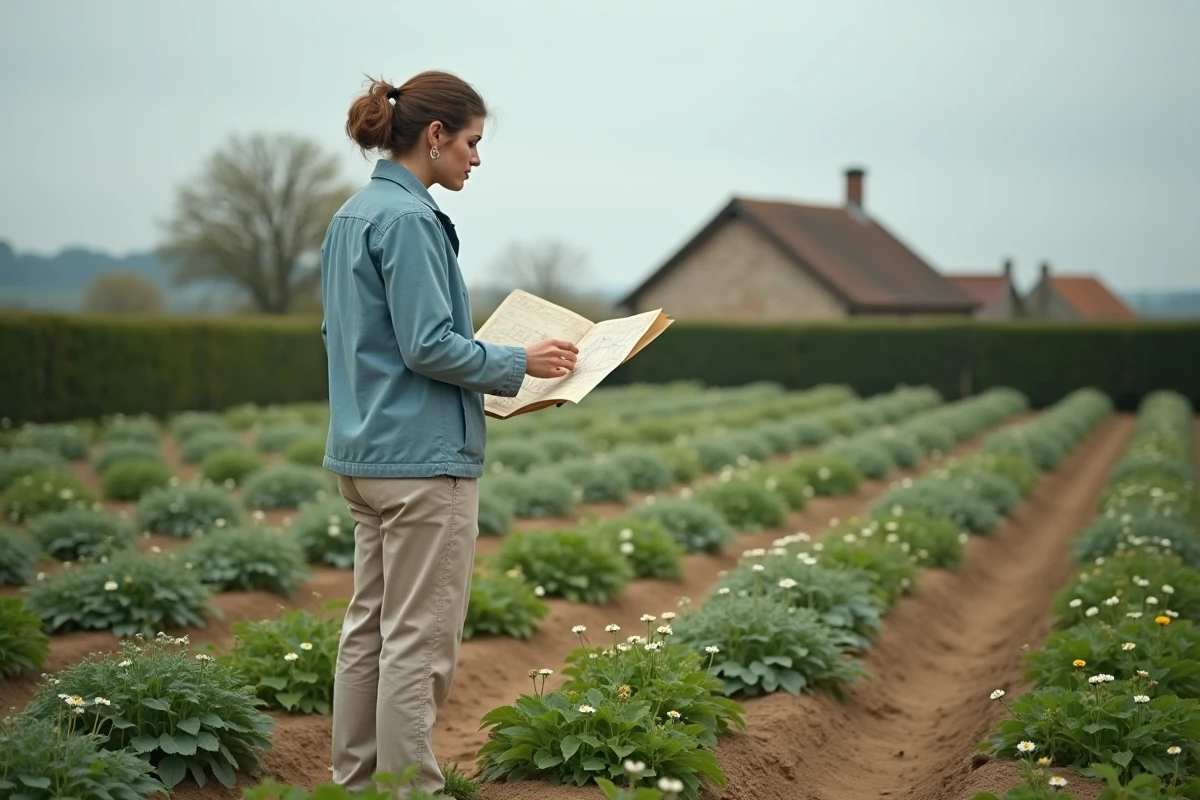
Surface area for aromatic and medicinal plants and installation aid: why the DJA changes the game
MSA affiliation opens the status of farmer but does not guarantee access to aid. The young farmer grant (DJA) and regional schemes apply their own criteria, and this is often where aromatic and medicinal plant projects hit a wall.
Since 2023, several DDT(M) and SAFER have reported a trend towards reclassifying micro-projects for aromatic and medicinal plants. When the area cultivated is very small and the declared working time remains partial, the project risks being classified as a leisure or diversification activity, which blocks access to the DJA and certain regional schemes. This observation has been relayed by installation advisors from the Chambers of Agriculture in Bourgogne-Franche-Comté and Auvergne-Rhône-Alpes during the technical days on aromatic and medicinal plants organized by ITEIPMAI.
In practical terms, a project on less than half a hectare without processing or structured sales channels is likely to be rejected. Surface area alone is not enough: commissions examine the business plan as a whole.
Regions adapting their criteria to aromatic and medicinal plants
Several regions have evolved their reference frameworks between 2022 and 2025 to take into account the economic reality of aromatic and medicinal plants. Occitanie, Brittany, and Bourgogne-Franche-Comté have lowered their minimum reference surface area to consider a project for aromatic and medicinal plants as professional within the framework of organic agriculture aid.
These regions now evaluate the combination of surface area, working time, and added value rather than a threshold of gross hectares. An operation that transforms its plants into herbal teas or essential oils generates a gross margin per square meter much higher than that of a bulk crop. Regional texts explicitly incorporate this reality.
Bank financing and surface area for aromatic and medicinal plants: projected revenue as a new benchmark
The 2022 installation guide for aromatic and medicinal plants from CPPARM highlights a shift: banks require a threshold of projected revenue rather than a minimum surface area to grant a loan. This change has direct consequences on project sizing.
A project holder must think in reverse: start from the expected gross margin per crop (thyme, lavender, mint, chamomile), estimate the transformed yield, and then deduce the necessary surface area. This profitability approach often leads to areas ranging from a few thousand square meters to two or three hectares, depending on the degree of processing and the marketing circuit.
- Bulk sale to a wholesaler: low margin per kilo, larger surface area needed to reach the banking viability threshold.
- Transformation into essential oils or hydrosols: high margin per square meter, reduced surface area but investment in distillation equipment.
- Direct sale of packaged herbal teas and herbs: intermediate margin, strong dependence on the local distribution network (markets, organic stores, AMAP).
The business plan presented to the bank and installation commissions must reflect this logic. Displaying a surface area without linking it to a coherent projected revenue undermines the application.
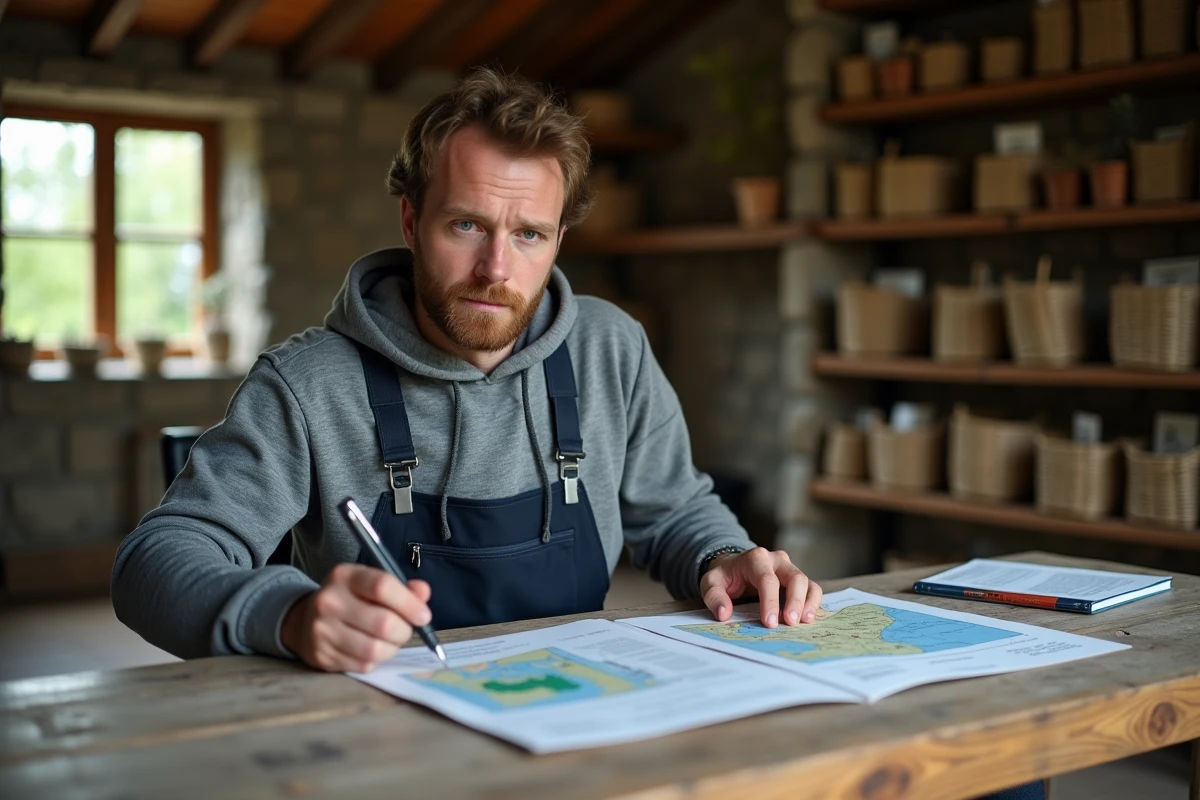
Building a viable aromatic and medicinal plant project: concrete criteria beyond surface area
The question of minimum surface area only makes sense when placed within a broader context. Three parameters determine the viability of an aromatic and medicinal plant operation, and installation commissions examine them jointly.
- Effective working time: cultivation, manual weeding (common in organic), harvesting, drying, distillation, packaging, marketing. A part-time project on a small surface can be recognized if the cumulative time exceeds the MSA threshold.
- The choice of species and rotation: some aromatic and medicinal plants (lavender, lavandin) require several years before the first significant harvest, which impacts the projections for the initial campaigns.
- Training: an agricultural diploma at level IV (BPREA or equivalent) is still required for the DJA. Specialized training in aromatic and medicinal plants is available through CFPPA and ITEIPMAI, enhancing the credibility of the application before the commissions.
The legal status of the operation (individual enterprise, EARL, GAEC) also influences the assessment of the project. A corporate structure with multiple partners can pool surface areas and working time, facilitating the achievement of thresholds.
Beware of being classified as a leisure activity
A project for aromatic and medicinal plants pursued as a secondary activity, without a marketing plan or solid projections, will be difficult to recognize as a professional agricultural activity. The trend towards reclassification observed since 2023 specifically concerns these profiles. Anticipating this risk from the outset when preparing the application, by precisely documenting the outlets and projected working time, remains the best lever to secure one’s installation.
The installation area for aromatic and medicinal plants is not just a single regulatory figure. It is the intersection of cultivated area, added value from processing, and working time that determines access to agricultural status, aid, and financing. A well-calibrated project on a few thousand square meters can be recognized, whereas a poorly documented project over several hectares will be rejected.